Unlock Your Ride: Discover the Ultimate Electric Bicycle Kit Options That Will Transform Your Commute!
As urban commuting continues to evolve, electric bicycle kits have surged in popularity, offering a practical and eco-friendly solution for daily travel. These kits allow riders to transform their traditional bicycles into electric-powered machines, enhancing their commuting experience while reducing their carbon footprint. With the ability to tackle longer distances, conquer hills effortlessly, and navigate through traffic with ease, electric bicycles are not just a trend; they’re a lifestyle change. In this article, we will explore various electric bicycle kit options available in the market, helping you make an informed decision before purchasing your own kit.
Understanding Electric Bicycle Kits
Electric bicycle kits are designed to convert standard bicycles into electric ones, providing the rider with an additional boost of power. Typically, these kits include essential components such as a motor, battery, controller, and various mounting hardware. The motor can be installed in the bicycle's wheel hub or as a mid-drive system, depending on the type of kit chosen. One of the main advantages of using an electric bicycle kit rather than purchasing a pre-built electric bike is customization. Riders can select components that best suit their preferences and riding styles. Additionally, converting a traditional bike can often be more cost-effective than investing in a brand-new electric model, making electric biking more accessible to a broader audience.
Types of Electric Bicycle Kits
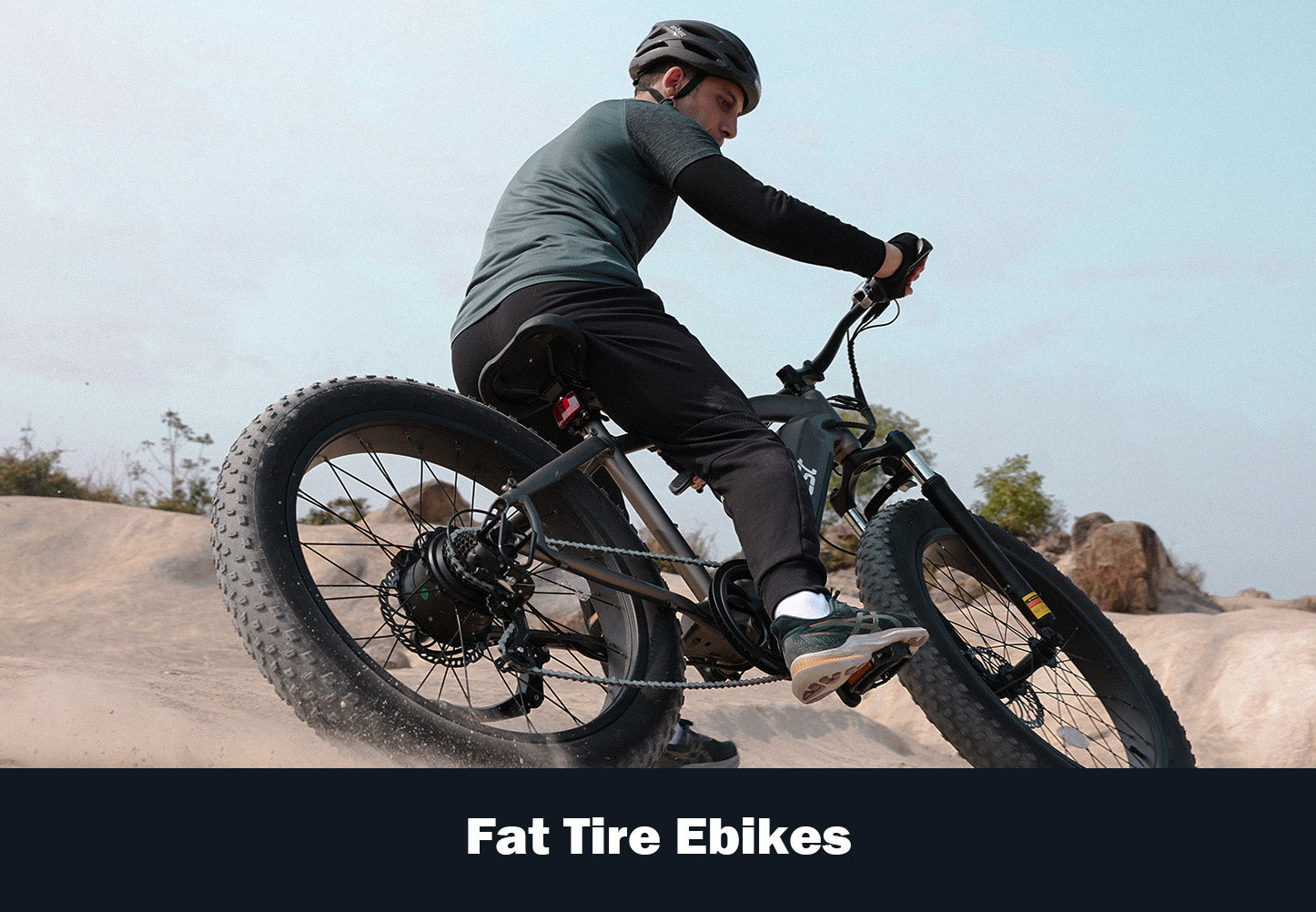
When it comes to electric bicycle kits, there are several types to consider. Hub motor kits are among the most popular, featuring a motor placed in the wheel hub, which provides a smooth and quiet ride. These kits are often easier to install and maintain, making them a favorite among novice cyclists. Mid-drive kits, on the other hand, are mounted at the bike's crank and offer more efficient power transfer, especially on hilly terrain. Conversion kits are another option, allowing riders to transform their existing bicycles with minimal alterations. Each type has unique features and benefits, catering to different rider needs, whether it's commuting, mountain biking, or leisurely rides.
Factors to Consider When Choosing a Kit
Choosing the right electric bicycle kit involves careful consideration of various factors. First and foremost, compatibility with your existing bicycle is crucial. Different bikes have unique frame geometries and specifications, which can affect the installation of the kit. Power output is another important aspect; higher wattage motors provide more speed and hill-climbing ability but may drain the battery faster. Speaking of batteries, battery life and capacity should also be evaluated, as they determine how far you can ride on a single charge. Installation difficulty can vary, so understanding your mechanical skills and whether you need professional help is essential. Lastly, consider the overall weight of the kit, as heavier kits can affect the bike's handling and performance.
Price Comparison and Budgeting
The price range for electric bicycle kits varies widely based on the components included and the technology used. On average, you can find kits ranging from budget-friendly options to high-end systems. Budgeting for your kit is essential; while it may be tempting to go for the cheapest option, investing in a quality kit can lead to better performance and longevity. Look for sales, discounts, or bundled offers to maximize your budget. Additionally, consider the long-term savings of using an electric bicycle for commuting, such as reduced fuel costs and lower maintenance expenses compared to traditional vehicles.
Installation and Maintenance Tips
Installing an electric bicycle kit can be a rewarding DIY project, but it requires some preparation. Gather necessary tools, such as wrenches, screwdrivers, and wire cutters. It's also helpful to have a friend assist you during installation, especially if you are new to bike mechanics. Common challenges include ensuring the motor is securely attached and properly aligned. Once your kit is installed, regular maintenance is key to keeping it in top shape. This includes checking the battery, cleaning the motor, and inspecting wiring connections to prevent any issues. By taking care of your electric bicycle kit, you can enjoy many smooth rides for years to come.
Empowering Your Commuting Experience
In summary, electric bicycle kits offer an exciting opportunity to enhance your commuting experience while promoting sustainable travel. By understanding the different types of kits, considering essential factors, and budgeting appropriately, you can find the perfect kit to meet your needs. Remember to embrace the installation process and follow maintenance tips to ensure your kit performs well. With an electric bicycle at your disposal, the possibilities for adventure and eco-friendly commuting are limitless. So gear up, unlock your ride, and set off on a new journey towards a greener lifestyle!