
Wounds can happen in many ways. You might get a cut while cooking, a scrape from a fall, a burn from heat, or a surgical incision that needs careful attention. No matter how the wound starts, your skin becomes open and unprotected.
When that happens, dirt and bacteria can enter the area easily. This slows healing and raises the risk of infection. That’s why proper cleaning becomes one of the most important steps in wound care.
Using a gentle cleanser helps remove germs and debris without harming the skin. It gives the wound a clean base so your body can start repairing itself the right way.
What Causes Wounds and Why Does Proper Cleaning Matter?
Wounds can appear from accidents, pressure on the skin, health conditions like diabetes, long-term immobility, or medical procedures. Each wound is different, but all wounds need the same first step, safe and effective cleaning. When a wound is not cleaned properly, bacteria can grow. This leads to inflammation, delayed recovery, and sometimes serious infections.
The right wound cleansing products like cleansers play an important role here. It supports a cleaner surface, removes dead tissue, and reduces harmful bacteria. This step helps the skin move into the healing phase faster and more smoothly. It also helps caregivers and patients maintain hygiene without causing more irritation.
Why Do You Need Wound Care?
Good wound care protects the skin, prevents infection, and encourages healing. Without proper care, even a small wound can grow worse. Regular cleaning and the right products help keep the area moist, supported, and safe from germs. This leads to better healing outcomes and less discomfort for the person dealing with the wound.
Wound care also helps you monitor how the wound is changing. You can see if it’s healing well or if it needs medical attention. With good care, wounds stay cleaner, safer, and more stable during the healing journey.
What Are the Common Types of Wound-Care Cleansers?
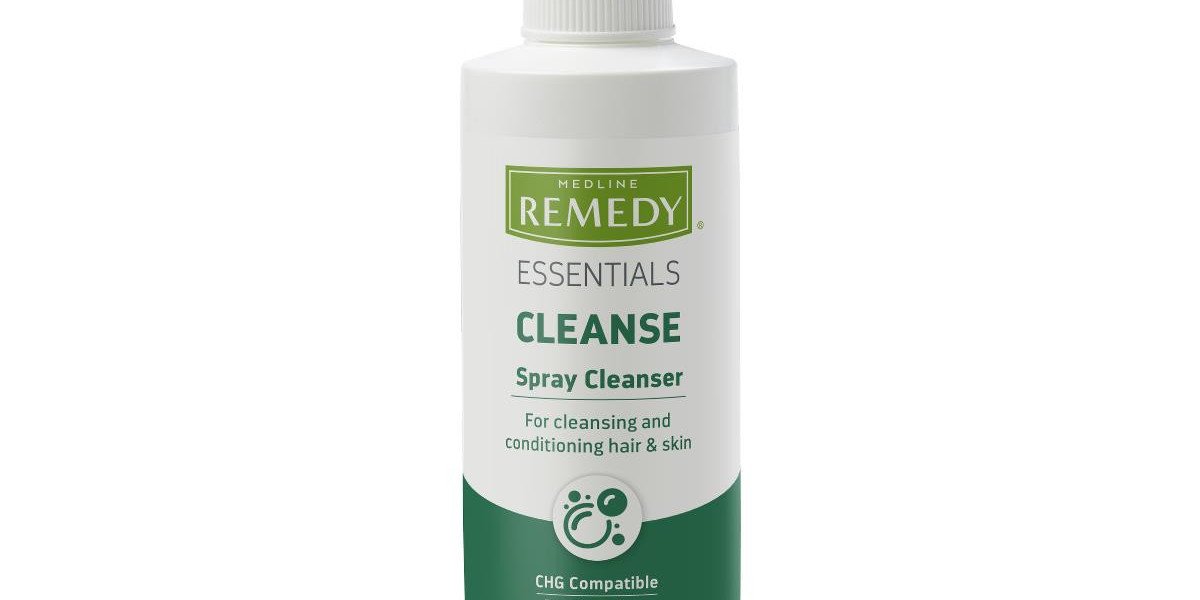
Wound-care cleansers come in different forms depending on the type of wound and its needs. Some are simple saline rinses. Others include ingredients that help moisturize the area or gently remove dead tissue. Many cleansers are no-rinse, meaning you can apply them without washing them off. There are also foam cleansers, sprays, wipes, and special solutions designed for sensitive skin.
Each cleanser has a different purpose. Some are made for daily skin cleaning, some for managing odor, and others for removing bacteria. The goal is always the same, keep the wound clean and support the natural healing process.
What Should You Know About Prophase Wound Cleanser?
Prophase Wound Cleanser is a gentle yet effective option for many wound types. It is nontoxic, nonsensitizing, and nonirritating, making it safe for sensitive skin. Along with cleansing, it also moistens the wound and supports debridement, which is the removal of dead tissue. This helps the wound stay in a healthier condition for faster recovery.
It contains cocamidopropyl betaine, a gentle surfactant that cleans without being harsh. It also includes PHMB, a preservative known for its broad antimicrobial and antiseptic properties. Prophase comes in an 8-oz spray bottle that provides ideal spray pressure and a 2-oz squeeze bottle for easy use. It is recommended for acute and chronic lesions, pressure injuries, venous and leg ulcers, diabetic foot ulcers, post-surgical wounds, first- and second-degree burns, and graft or donor sites.
How Does the Remedy 4-in-1 Body Cleanser Support Skin Health?
The Remedy 4-in-1 Body Cleanser is designed to cleanse, moisturize, and protect the skin in one simple step. It helps reduce odor and keeps the skin comfortable. The no-rinse foam stays in place, preventing waste and making the process easier for caregivers. One bottle offers more than 340 pumps of foam, giving long-lasting use.
Harsh soaps can strip the skin of moisture, but the phospholipid base in Remedy cleans without drying. It binds both water and nutrients, allowing the skin to stay balanced.
The product includes ingredients from natural and organic oils that mimic the skin’s natural lipids. It can be used even during showers in place of regular soap. It also contains Olivamine, a blend of antioxidants, amino acids, and vitamins that support the skin on a cellular level.
Conclusion
Proper wound care starts with proper cleaning. When you understand the types of cleansers available at the right medical supply store Salt Lake City Utah and how they support healing, it becomes easier to choose the right one. Whether you need a spray cleanser, foam formula, wipes, or a specialty wound product, each item plays a role in keeping the skin clean, protected, and on track to heal well.
FAQs
Q1: How often should a wound be cleaned?
Ans1: Most wounds should be cleaned at least once a day, but some may need more frequent care depending on their condition.
Q2: Can I use regular soap on a wound?
Ans2: Regular soap may irritate the wound or dry the skin. Wound-specific cleansers are designed to be gentler and safer.
Q3: When should I seek medical help for a wound?
Ans3: Seek help if you see increased redness, swelling, unusual odor, spreading warmth, or if the wound is not improving after several days.