Transform Your Kitchen Experience with the Perfect Range Hood Vent!
In the heart of every modern kitchen, the range hood vent plays a crucial role that often goes unnoticed. It's not just an accessory; it's an essential component that significantly contributes to air quality by filtering out smoke, steam, and odors that arise during cooking. Imagine preparing a delicious meal for your family without the lingering smells of garlic or the haze of steam clouding your kitchen. Selecting the right range hood vent can elevate both the functionality and aesthetics of your kitchen, transforming it from a simple cooking space into a culinary haven. Whether you’re a novice cook or a seasoned chef, investing in a suitable range hood vent can enhance your cooking experience and make your kitchen a more enjoyable place to spend time.
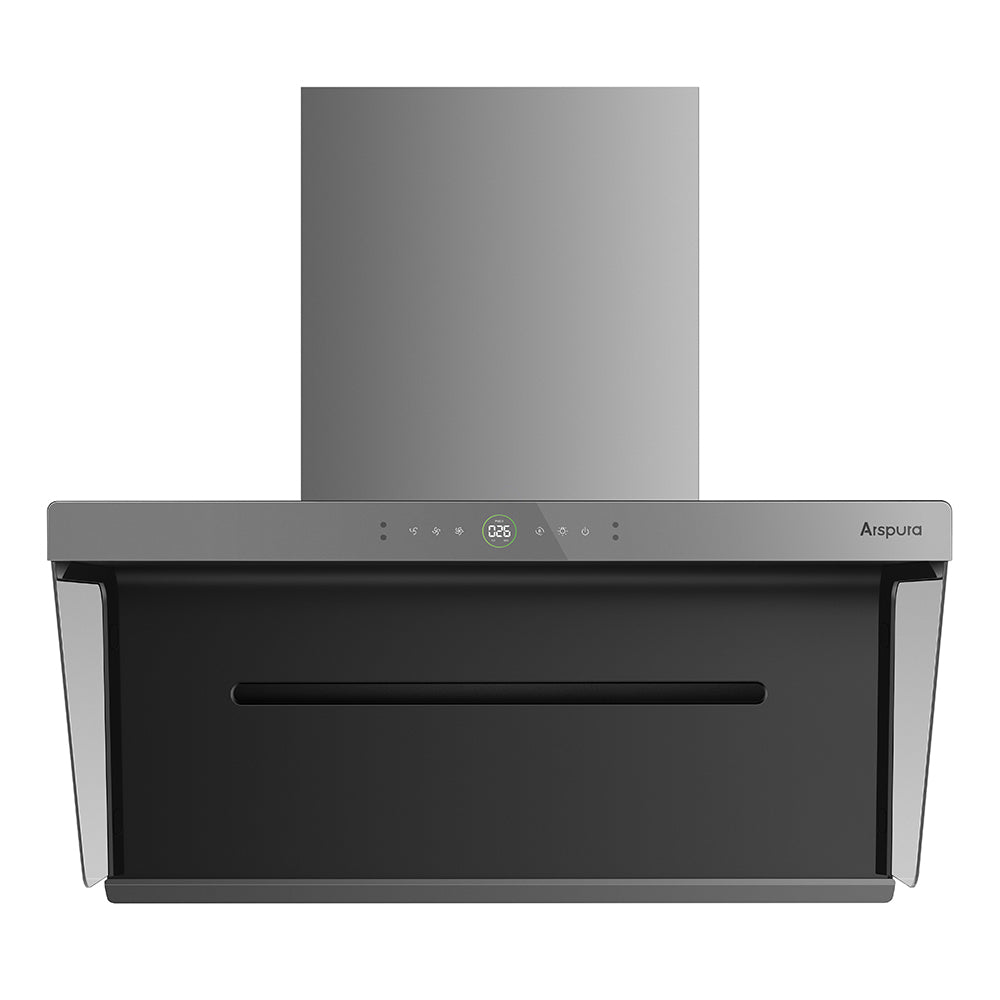
Understanding Range Hood Vents
A range hood vent is a device installed above your cooking surface to ventilate smoke, grease, and odors from your kitchen. It serves two primary functions: to improve air quality and to enhance your cooking experience by providing a cleaner environment. There are two main types of range hood vents: ducted and ductless. Ducted range hoods take air from the kitchen and expel it outside, making them highly effective in eliminating odors and smoke. On the other hand, ductless range hoods filter the air through charcoal filters and recirculate it back into the kitchen. While ductless hoods are easier to install, ducted hoods offer superior performance, especially in larger kitchens or for those who cook frequently. Understanding the differences between these options is essential in selecting a range hood vent that best suits your needs.
Factors to Consider When Choosing a Range Hood Vent
When shopping for a range hood vent, several factors should guide your decision. First and foremost is the size of your kitchen; larger spaces may require more powerful ventilation. Your cooking habits also play a significant role—if you frequently prepare greasy or aromatic dishes, a more robust hood will be necessary. Style preference is another critical consideration; whether you prefer a sleek modern look or a more traditional design, the range hood should complement your kitchen's overall aesthetic. Lastly, noise levels can vary significantly among models. Some range hoods operate quietly, while others can be quite loud, especially at higher speeds. An experience from a friend comes to mind: she opted for a quieter model and was thrilled with how it seamlessly blended into her kitchen without the disruptive noise.
Installation and Maintenance Tips
Installing a range hood vent can be a straightforward process, but it requires careful consideration. Homeowners can choose between professional installation or a DIY approach, depending on their skill level and comfort with home improvement projects. If you’re handy and your kitchen setup allows for it, installing your range hood can save you money. However, if your kitchen requires ductwork alterations, hiring a professional is advisable to ensure proper installation. Once installed, maintenance is key to keeping your range hood vent functioning efficiently. Regularly clean or replace filters, and wipe down surfaces to prevent grease buildup. My neighbor once shared her experience of neglecting maintenance, which led to a less effective vent and eventually costly repairs. A little upkeep goes a long way in prolonging the life of your appliance.
Accessories and Enhancements for Your Range Hood Vent
To optimize the performance of your range hood vent, consider various accessories and enhancements. High-quality filters are essential to trap grease and odors effectively, and investing in good filters can considerably improve air quality. Additionally, built-in lighting can enhance visibility while cooking, allowing you to see your food better and create a more inviting atmosphere. Some range hoods also offer different blower options, providing flexibility in airflow and noise levels. Accessories such as remote controls or smart technology can further enhance the user experience, allowing you to operate your range hood from a distance. A friend of mine recently added smart features to her range hood, allowing her to control it via her smartphone, which she finds incredibly convenient while multitasking in the kitchen.
Enhancing Your Kitchen with a Suitable Range Hood Vent
In summary, selecting the right range hood vent is a vital step in creating a functional and pleasant kitchen environment. By understanding the types of range hood vents available, considering key factors such as kitchen size and cooking habits, and knowing how to maintain your vent, you can significantly enhance your cooking experience. Accessories and enhancements can further improve performance and usability, making your kitchen a more enjoyable place to prepare meals. Before making a purchase, take the time to evaluate your specific needs and preferences. Investing in a quality range hood vent can transform your kitchen, making it not only more efficient but also a more enjoyable space for culinary creativity.