Unlocking Efficiency: Discover the Secrets Behind Fingerprint Time Card Machines!
In today’s fast-paced work environment, accurate time tracking has become crucial for managing employee productivity and ensuring fair compensation. Traditional methods, such as punch cards or manual logs, often lead to errors and time theft, hindering operational efficiency. Enter the fingerprint time card machine—a revolutionary tool that leverages biometric technology to streamline attendance tracking. These machines not only enhance accuracy but also provide a secure way to record employee hours. In this article, we will delve into how fingerprint time card machines work, their advantages, and the future trends in time tracking technology.
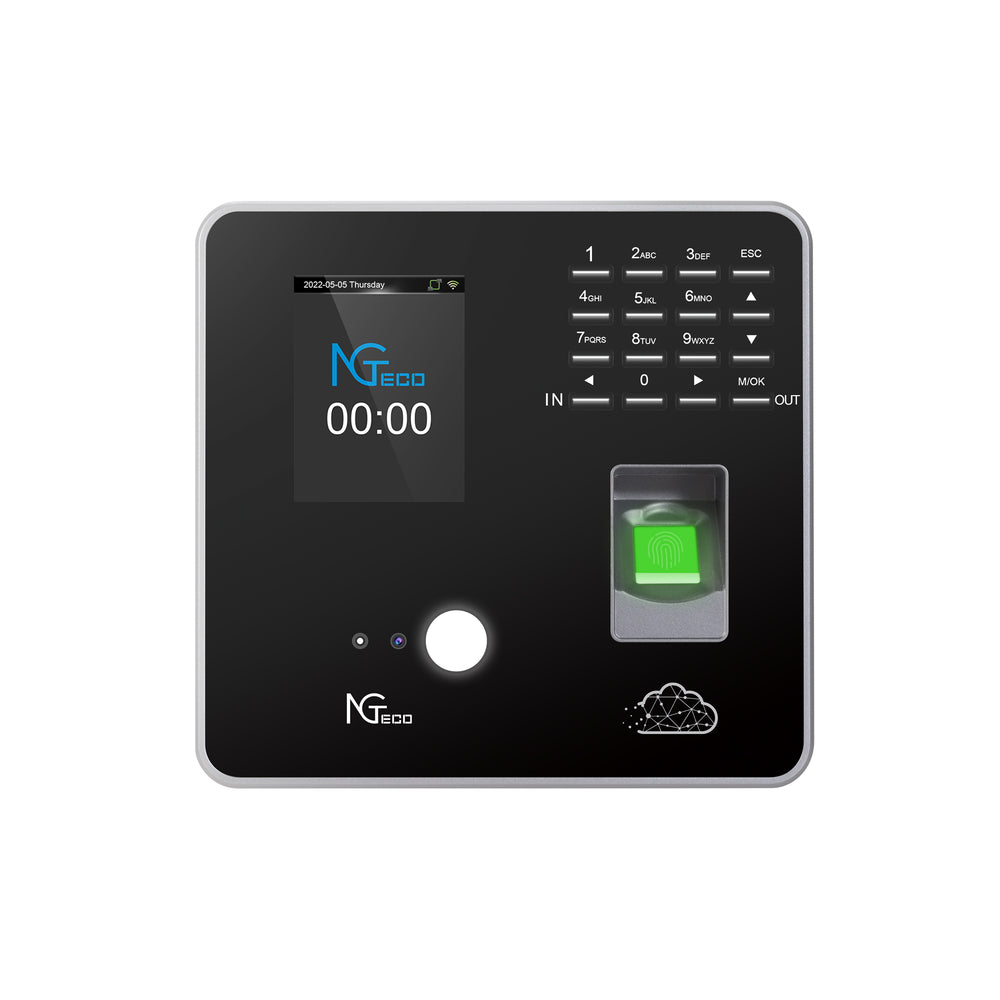
Understanding Fingerprint Time Card Machines
Fingerprint time card machines are advanced devices designed to track employee attendance through biometric recognition. At their core, these machines consist of a fingerprint scanner, a database for storing fingerprint templates, and software that manages the attendance data. When an employee clocks in or out, they place their finger on the scanner, which captures the unique patterns of their fingerprint. This data is then compared to the stored templates in the machine’s database to verify the employee's identity. Once authenticated, the system records the time of entry or exit automatically.
The technology behind fingerprint recognition is fascinating. It utilizes algorithms to analyze the minutiae points on a fingerprint, such as ridge endings and bifurcations, creating a digital representation of the fingerprint. This process happens in mere seconds, ensuring quick and efficient clocking in and out. Personal anecdotes from friends who have used these machines reveal that the ease of use significantly reduces the time spent on attendance management.
Advantages of Using Fingerprint Time Card Machines
One of the most significant advantages of fingerprint time card machines is enhanced accuracy. Unlike traditional methods, where employees might forget to clock in or out, fingerprint systems ensure that only the registered employee can record their time. This feature dramatically reduces the chances of buddy punching, where one employee clocks in for another, a common issue in workplaces that rely on manual time tracking.
Moreover, fingerprint machines improve security. Since they require a physical attribute unique to each employee, they provide a higher level of security than PINs or passwords, which can be easily shared or forgotten. The integration of these machines leads to a noticeable decrease in time theft, which ultimately contributes to improved productivity. A friend who works in a large manufacturing firm shared how their transition to fingerprint time card machines resulted in a 30% decrease in unaccounted hours, showcasing their efficacy in driving workplace efficiency.
Implementation and Best Practices
Implementing fingerprint time card machines in an organization requires careful planning and consideration. First, it’s essential to select a suitable model that fits the organization's needs. Once the machines are installed, training employees on how to use them effectively is crucial. Organizations should conduct workshops that allow employees to familiarize themselves with the technology and understand the importance of accurate time tracking.
Integration with existing systems can pose challenges, especially if the organization uses legacy software for managing payroll and attendance. To overcome this, companies should opt for machines that offer seamless integration capabilities. Addressing privacy concerns is also vital; organizations must ensure that employees’ biometric data is stored securely. Sharing experiences from colleagues who faced initial resistance but later embraced the technology can help in easing the transition.
Future Trends in Time Tracking Technology
The future of time tracking technology is brimming with exciting trends. One notable advancement is the integration of artificial intelligence (AI) with biometric systems. AI can enhance the accuracy of fingerprint recognition by continuously learning and adapting to variations in an employee’s fingerprint due to age or environmental factors. Additionally, the potential for integrating time tracking systems with other workplace management tools, such as project management software and HR systems, is becoming increasingly popular.
Another trend gaining traction is the use of mobile biometric solutions. With the rise of remote work, organizations are exploring ways to track time for employees working off-site. Mobile apps that utilize fingerprint recognition allow employees to clock in and out from their smartphones, maintaining accountability, even when they're not physically present in the office. These advancements promise to make time tracking more efficient and user-friendly in the coming years.
Key Takeaways on Fingerprint Time Tracking
In summary, fingerprint time card machines represent a significant leap forward in the realm of time tracking technology. Their ability to enhance accuracy, improve security, and reduce time theft makes them an invaluable tool for modern organizations. As we’ve explored, implementing these machines involves careful planning and consideration, but the benefits they bring far outweigh the challenges. For organizations looking to improve time management and operational efficiency, adopting fingerprint technology is a step in the right direction. Embracing this innovative approach can lead to a more productive and accountable workplace.