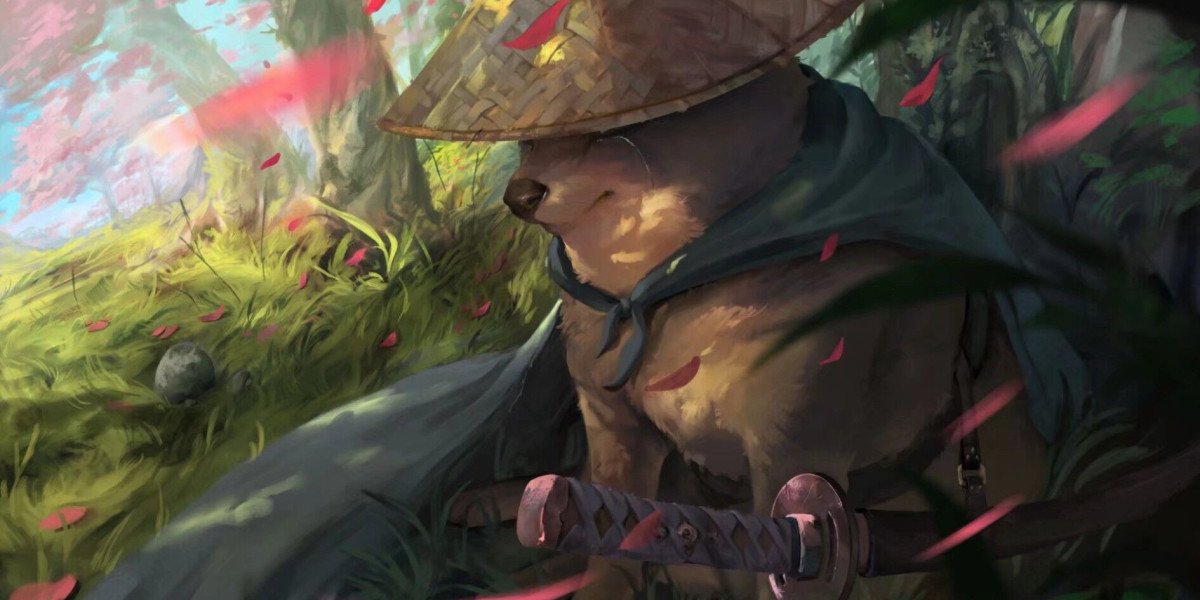

Transform Your Words into Stunning Visuals: Discover the Ultimate Text-to-Image Tool!
In an era where visual communication reigns supreme, text-to-image technology has emerged as a groundbreaking tool across various fields such as marketing, education, and creative arts. This innovative technology empowers users to express their ideas visually, bridging the gap between words and imagery. Imagine being able to turn a simple description into a captivating visual that captures your audience's attention instantly. Whether you are a marketer looking to create eye-catching graphics, an educator aiming to enhance learning materials, or an artist seeking inspiration, text-to-image tools offer limitless possibilities for creativity and engagement.
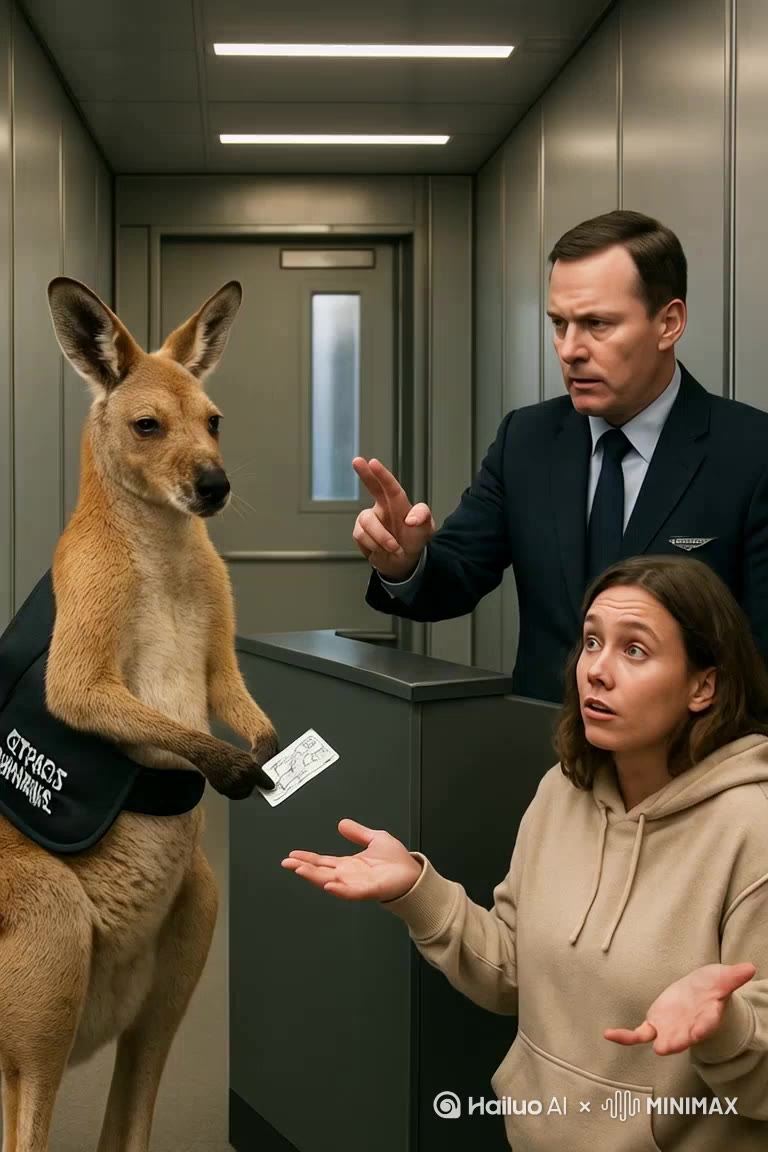
Understanding Text-to-Image Technology
At its core, text-to-image generation relies on sophisticated algorithms and artificial intelligence to transform textual descriptions into images. These tools utilize deep learning techniques, particularly neural networks, to analyze and interpret the nuances of language and then synthesize corresponding visuals. For instance, a text prompt like "a serene sunset over a mountain range" is processed by the AI, which then generates an image that captures the essence of that description. Various techniques, such as Generative Adversarial Networks (GANs), play a crucial role in enhancing the realism and quality of the images produced. As technology advances, these tools continue to evolve, offering increasingly impressive outputs that can reflect complex concepts and ideas.
Key Features to Look for in a Text-to-Image Tool
When exploring text-to-image tools, it's essential to consider several key features that can significantly enhance your user experience. User-friendliness is paramount; an intuitive interface allows users of all technical backgrounds to generate images effortlessly. Customization options are also vital, enabling users to tweak parameters such as style, color, and composition to align with their vision. The quality of generated images should not be overlooked, as high-resolution outputs are crucial for professional use. Additionally, the speed of processing can impact productivity, especially for users who require quick turnaround times for projects. By focusing on these features, users can select tools that not only meet their needs but also inspire creativity and efficiency.
Applications of Text-to-Image Tools
The applications of text-to-image tools are vast and varied, making them invaluable across numerous industries. In the creative fields, artists can use these tools to brainstorm ideas, visualizing concepts that may not yet exist in tangible form. Marketers can leverage text-to-image technology to create engaging social media content and advertisements that resonate with their audience. Content creators and bloggers can enhance their articles with unique visuals generated from their written content, making their work stand out. In education, teachers can utilize these tools to create visually rich learning materials that aid in comprehension and retention. The potential for application is limitless, as text-to-image tools continue to inspire innovation in how we communicate visually.
How to Choose the Right Text-to-Image Tool for Your Needs
Choosing the right text-to-image tool requires careful consideration of your specific needs and circumstances. Start by evaluating your budget; while many tools offer free versions, premium features may be necessary for advanced capabilities. Consider your intended use cases—are you using the tool for professional projects, personal enjoyment, or educational purposes? This will influence the level of quality and customization you require. Additionally, reading user reviews and seeking recommendations from friends or colleagues can provide valuable insights into the effectiveness and reliability of different tools. By assessing these factors, you can make an informed choice that aligns with your goals and enhances your creative process.
The Evolving Landscape of Text-to-Image Technology
The landscape of text-to-image technology is continuously evolving, offering exciting possibilities for innovation and creativity. As advancements in AI and machine learning progress, we can expect even more sophisticated tools that push the boundaries of what is possible. The ability to transform words into stunning visuals not only enhances communication but also fosters deeper connections and understanding among diverse audiences. With the right text-to-image tool, users can unlock their creative potential and explore new ways to convey their messages.
Harnessing the Power of Text-to-Image Tools
Text-to-image tools represent a transformative power in the realm of visual communication. They provide an opportunity to blend textual content with rich visuals, leading to more engaging and effective storytelling. As you explore the various options available, consider how these tools can enhance your projects, whether for professional use or personal creativity. Embracing the integration of visual elements into your work can lead to better communication and deeper audience engagement, making it a worthwhile endeavor in today's visually-driven world.