Unlock the Secrets to Choosing the Perfect Range Hood for Your Gas Stove!
When it comes to cooking with gas stoves, one essential appliance that often gets overlooked is the range hood. These fixtures play a crucial role in ensuring proper ventilation, enhancing safety, and elevating your overall cooking experience. A good range hood effectively removes smoke, odors, and grease from the kitchen, providing a healthier environment while you whip up your favorite meals. Moreover, choosing the right one can significantly depend on several factors, including the size of your kitchen, the type of cooking you do, and your personal style preferences. In this article, we'll explore the ins and outs of selecting the best range hoods for gas stoves, ensuring you make an informed decision that suits your culinary needs.
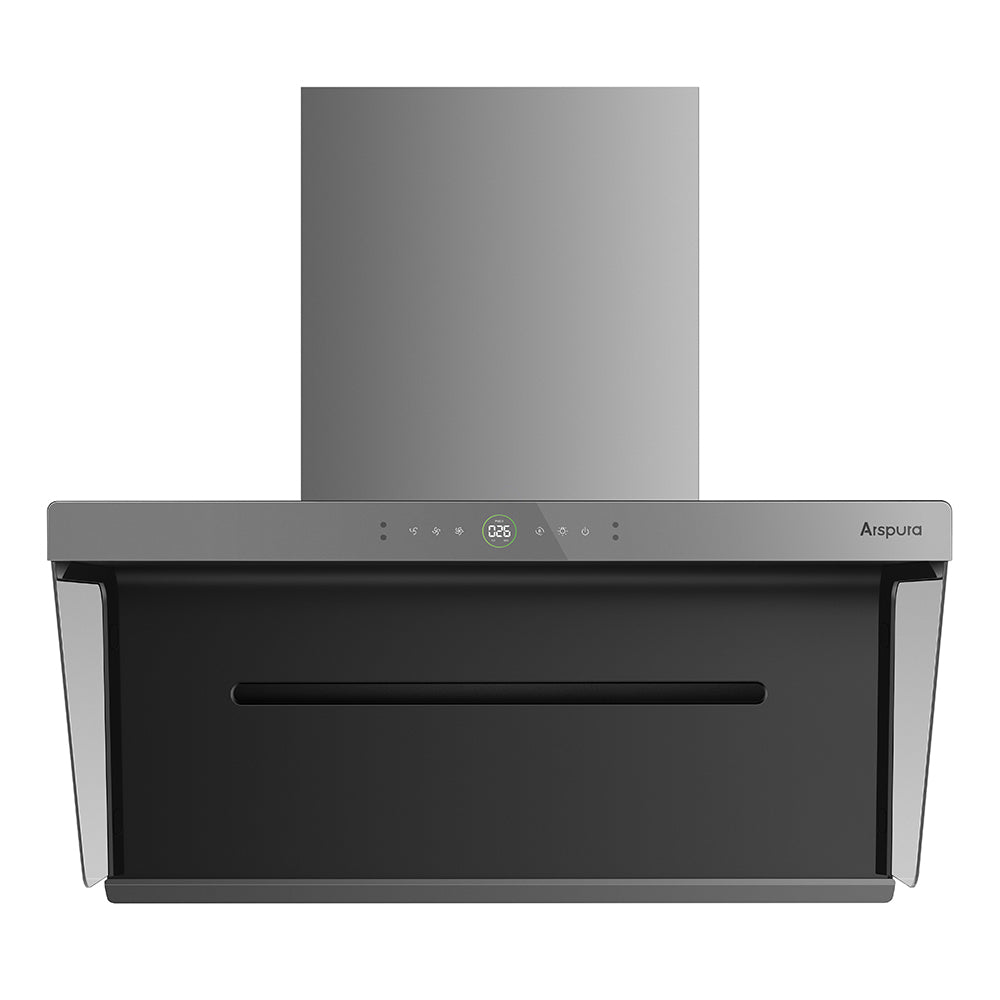
Understanding Range Hoods
Range hoods are ventilation devices installed above gas stoves to capture and expel smoke, steam, grease, and cooking odors. They are essential for maintaining a clean and healthy kitchen environment. There are various types of range hoods, each designed for specific kitchen layouts and user preferences. Under-cabinet hoods are compact and fit snugly beneath cabinetry, making them ideal for smaller kitchens. Wall-mounted hoods, on the other hand, are installed directly on the wall above the stove and can add a stylish focal point to your kitchen. For larger or open kitchens, island hoods are suspended from the ceiling and provide a dramatic, modern look while effectively ventilating cooking spaces. Each type has its advantages, so understanding how they function will help you choose the best one for your cooking space.
Key Features to Consider
When selecting a range hood for your gas stove, there are several essential features to take into account:
- CFM (Cubic Feet per Minute) rating: This measurement indicates the volume of air the hood can move per minute. A higher CFM is generally better for gas stoves, especially if you cook frequently or at high temperatures.
- Noise level (Sones): Range hoods can vary significantly in terms of noise. If you prefer a quieter kitchen, look for models with lower Sones ratings that still maintain effective ventilation.
- Size and installation requirements: Ensure the range hood fits your stove properly and is the correct height for effective operation. Measure your cooking area and check installation requirements before making a purchase.
- Filtration type (ducted vs. ductless): Ducted hoods vent air outside, while ductless hoods recirculate air through filters. For gas stoves, ducted hoods are usually more effective in removing smoke and odors.
- Material and design considerations: The material of the range hood can affect both its durability and aesthetic appeal. Stainless steel is popular for its modern look and easy maintenance.
Benefits of Using Range Hoods with Gas Stoves
Choosing a range hood specifically designed for gas stoves comes with numerous advantages. Firstly, it significantly improves air quality by efficiently removing heat, smoke, and grease particles from the air. This is particularly important for gas cooking, which can produce higher levels of combustion byproducts. Additionally, a good range hood helps eliminate cooking odors that can linger in the kitchen long after meals are done. Another vital benefit is safety; using a range hood ensures compliance with safety standards by keeping harmful fumes at bay, creating a healthier cooking environment. From my own experience, I’ve seen friends with gas stoves who installed range hoods and were amazed at how much better their kitchens smelled and felt while cooking.
Recommendations for Choosing the Right Range Hood
When it comes to selecting the best range hood for your kitchen, consider your specific needs and preferences. Begin by evaluating the size of your kitchen and the volume of cooking you typically do. If you frequently prepare meals that generate a lot of smoke, opt for a higher CFM rating to ensure effective ventilation. Additionally, think about your kitchen's aesthetic; the range hood should complement your décor while being functional. Don’t forget maintenance—regularly cleaning filters and surfaces will prolong the life of your range hood and maintain its efficiency. It’s helpful to consult with professionals or seek advice from friends who have made similar choices, as their insights can guide you in making a well-informed decision.
Making an Informed Choice on Range Hoods
In conclusion, selecting the right range hood for your gas stove is a decision that requires careful consideration of various factors, from functionality to aesthetics. A well-chosen range hood not only enhances your cooking experience but also promotes a healthier kitchen environment. By understanding the different types of range hoods, essential features, and the benefits they provide, you can make an informed choice that caters to your specific culinary needs. Remember to think about your unique cooking habits and personal style as you navigate through the options available. With the right range hood overhead, you can enjoy cooking with gas in a cleaner, safer, and more enjoyable space.