Unlocking the Secrets of PNP Power Darlington Transistors: Your Ultimate Guide to Function, Applications, and Operation!
In the world of electronics, the components we choose can significantly impact the performance and reliability of our circuits. Among these components, PNP power Darlington transistors stand out as a crucial element due to their unique properties and applications. These transistors are a specific type of bipolar junction transistor (BJT) that are designed to provide high current gain and efficiency, making them essential in various electronic devices. This article aims to provide a comprehensive overview of PNP power Darlington transistors, detailing their function, how they operate, and the diverse applications where they can be found. Whether you’re a seasoned electronics enthusiast or a beginner eager to learn, this guide will unravel the secrets of this powerful component.
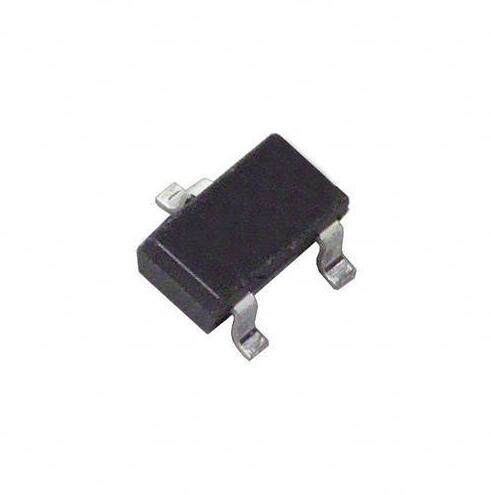
Understanding PNP Power Darlington Transistors
PNP power Darlington transistors are a combination of two PNP transistors connected in such a way that they function as a single unit. This configuration allows for a significant increase in current gain compared to standard transistors. Typically, a standard PNP transistor has a current gain (β) ranging from 20 to 100, while a Darlington pair can provide gains of up to 1000 or more. The structure consists of two PNP transistors where the emitter of the first transistor is connected to the base of the second. This arrangement effectively amplifies the input signal, making it a preferred choice for applications requiring high power amplification. The key distinguishing feature of PNP power Darlington transistors is their ability to handle larger currents and voltages, which makes them suitable for powering larger loads. For more details, explore this guide on Darlington transistors.
How PNP Power Darlington Transistors Work
The operation of a PNP power Darlington transistor revolves around its three terminals: the emitter, base, and collector. When a small current flows into the base terminal of the first transistor, it allows a larger current to flow from the emitter to the collector. This larger current then feeds into the base of the second transistor, further amplifying the total current flowing through the collector. The result is a significant amplification of the input signal, making these transistors highly efficient for power applications. This cascading effect is what makes the Darlington configuration so powerful, yet it also introduces some drawbacks, such as a higher voltage drop across the transistors and slower switching speeds. Understanding this operational principle is essential for anyone looking to effectively utilize PNP power Darlington transistors in their projects.
Applications of PNP Power Darlington Transistors
PNP power Darlington transistors are utilized in a variety of applications that require efficient power amplification and switching. One of the most common uses is in audio amplification, where they help drive speakers and provide high-quality sound output. Additionally, they play a crucial role in motor control circuits, where precise control of motor speed and torque is necessary. For instance, a friend of mine who enjoys building robotics projects often integrates these transistors to manage the motors in his creations, allowing for smoother and more responsive movements. Furthermore, PNP power Darlington transistors are found in switching applications, such as in power supplies and relay drivers, where they help control larger loads with minimal input current. Their versatility and reliability make them invaluable in modern electronic design.
Advantages and Disadvantages of Using PNP Power Darlington Transistors
Like any electronic component, PNP power Darlington transistors come with their own set of advantages and disadvantages. On the positive side, they provide exceptionally high current gain and can drive large loads with minimal input current, making them highly efficient. This characteristic is particularly beneficial in applications where power conservation is important. However, there are some drawbacks to consider. One significant issue is thermal management; because of their high gain, they can generate considerable heat, which can lead to thermal runaway if not properly managed. Additionally, the switching speed of Darlington pairs is generally slower than that of standard transistors, which can limit their use in high-frequency applications. Understanding both the benefits and limitations of PNP power Darlington transistors is key to effectively incorporating them into electronic designs.
Key Takeaways on PNP Power Darlington Transistors
In conclusion, PNP power Darlington transistors are powerful components that play a vital role in a multitude of electronic applications. From their unique structure and operational principles to their wide range of uses, understanding these transistors is essential for anyone involved in electronics. They offer significant advantages in terms of current gain and efficiency, though potential thermal issues and speed limitations should be taken into account. As you explore the world of electronics, consider the impact that PNP power Darlington transistors can have on your projects, and continue to delve deeper into the fascinating realm of electronic components.