The Ultimate Guide to Discovering the Perfect Sippy Cup for Your Little One!
Choosing the right sippy cup for your child is an important decision that goes beyond mere convenience. Sippy cups play a crucial role in the developmental journey of young children, helping them transition from bottles to regular cups while encouraging independent drinking. With so many options available on the market, including various materials, designs, and functionalities, it can be overwhelming for parents to find the perfect one. This guide aims to simplify the process, outlining essential factors to consider and providing tips for selecting the best sippy cup for your little one.
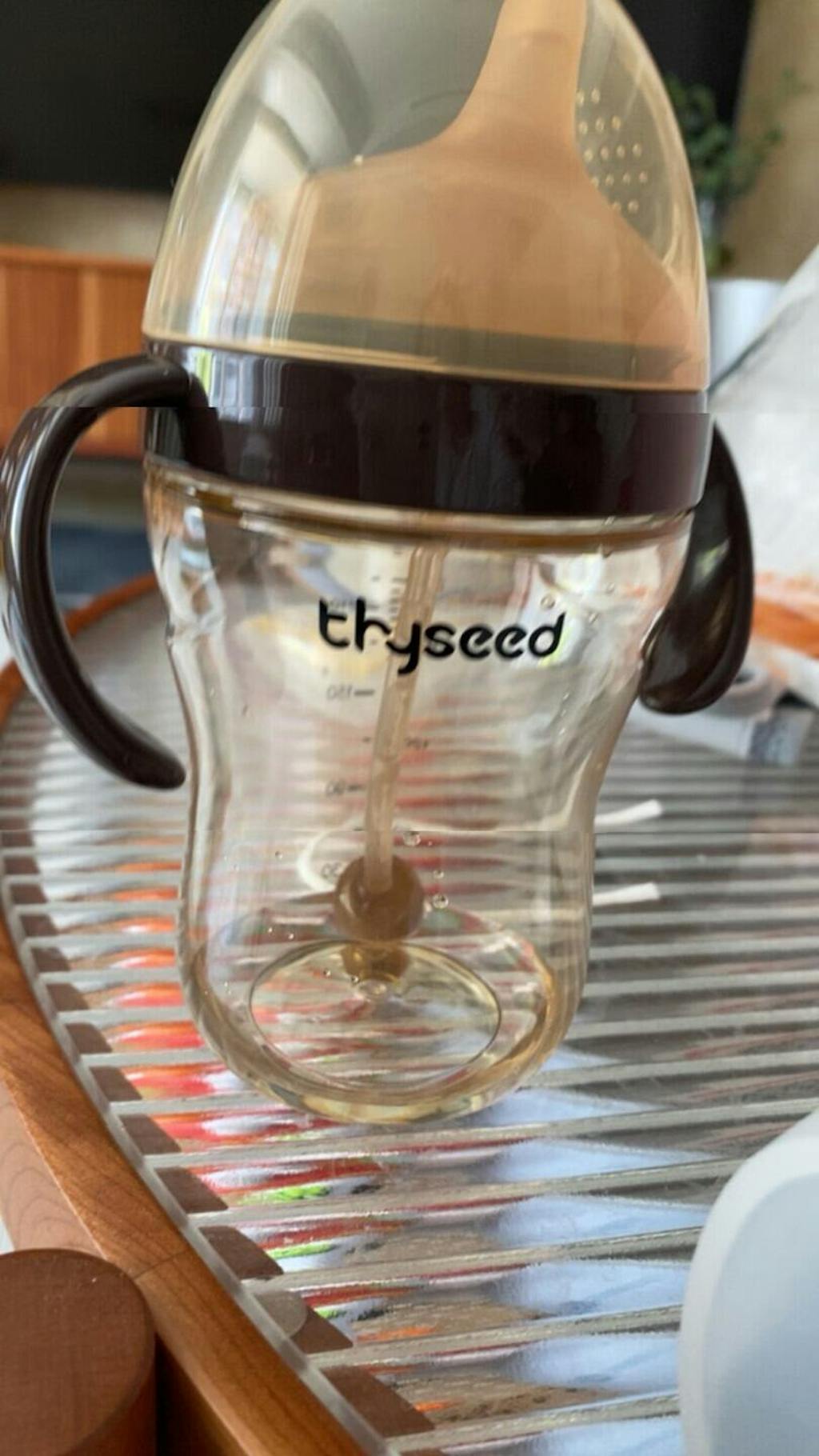
Understanding Sippy Cups: Types and Features
Sippy cups come in a range of types, each designed to cater to different needs and preferences. The most common types include spill-proof cups, straw cups, and traditional sippy cups. Spill-proof cups are ideal for toddlers who are still mastering their drinking skills, as they minimize mess during use. Straw cups, on the other hand, can help develop oral motor skills and are often more appealing to older children due to their fun designs. Traditional sippy cups, which often have a hard spout, can be a good starting point for infants. When selecting a sippy cup, consider key features such as material—look for BPA-free options for safety—size, and ease of cleaning. Many parents prefer cups with fewer parts, as they can be cleaned quickly and efficiently, making life a little easier during busy mealtimes.
Age Appropriateness: Choosing the Right Cup for Your Child
The age and developmental stage of your child play a significant role in determining which sippy cup is best suited for them. Infants, typically around six months old, may benefit from sippy cups with soft spouts that are gentle on their gums. As they grow, transitioning to a cup with a firm spout or a straw becomes more appropriate, generally around the age of one. By the time your child reaches the age of two, they may be ready to explore regular cups with supervision. Keep in mind that every child is different; watching their progress and adjusting accordingly is key. One friend mentioned how her daughter took to a straw cup immediately, while her son preferred a more traditional design. Understanding your child’s preferences can help ensure a smoother transition.
Health and Safety Considerations
When it comes to children’s products, health and safety should always be a top priority. Ensure that any sippy cup you consider is made from safe, BPA-free materials to prevent chemical leaching. Additionally, look for cups that are easy to clean, as hygiene is essential to avoid any potential health risks. Some sippy cups have complex designs that can trap milk or juice, making them hard to clean and increasing the risk of bacteria growth. Also, consider the cup’s design to avoid any choking hazards; some cups come with small parts that could pose a risk. Always inspect the cup before use and replace it if it shows signs of wear and tear. A friend once shared how she learned this lesson the hard way when her son managed to break a cup, leading to a potential choking hazard.
Where to Buy the Perfect Sippy Cup Online
Shopping for sippy cups online can be a convenient way to find the right product for your child. When browsing, look for reputable retailers that specialize in children’s products, as they often carry a wider variety of options and provide detailed product descriptions. Additionally, reading customer reviews can offer valuable insights into the cup's performance and durability. Many parents find that online shopping allows them to compare prices and styles without the stress of navigating crowded stores. Before making a purchase, check for return policies in case the cup doesn’t meet your expectations. A friend of mine shared how she found a fantastic deal on a set of cups online, which turned out to be a lifesaver during family outings.
Transitioning from Sippy Cups to Regular Cups
The transition from sippy cups to regular cups is a significant milestone in your child's development. While the timing can vary, many parents find that between ages two and three is a good time to start. Gradual exposure to regular cups can help ease this transition. Begin by allowing your child to practice with a regular cup during mealtimes, providing assistance if needed. It’s normal for spills to happen, so be patient and encourage them through the process. One mother I know shared that she started with a small, lightweight cup to help her daughter feel more confident. Addressing common concerns, such as messes or potential choking, can help alleviate any fears parents might have during this phase.
Final Thoughts on Selecting a Sippy Cup
In summary, selecting the right sippy cup is essential for your child's development and safety. By understanding the different types available, considering age appropriateness, prioritizing health and safety, and knowing where to shop online, you can make an informed decision. Remember that every child is unique, and their preferences may vary, so stay flexible in your choices. With the right sippy cup, your little one will be well on their way to mastering independent drinking, making this a positive experience for both you and your child. Explore the options available and enjoy this exciting phase of their growth!