Discover the Perfect Deck Railing to Transform Your Outdoor Space!
Deck railings play a crucial role in enhancing the beauty and functionality of outdoor spaces. Whether you have a sprawling deck for entertaining or a cozy balcony for morning coffee, choosing the right deck railing type can significantly influence both the aesthetics and safety of your area. Not only do they act as a safety barrier, but they also provide an opportunity to express your style and complement your home’s architecture. With a myriad of options available, understanding the different types of deck railings can help you make an informed decision that aligns with your vision for your outdoor oasis.
Understanding Deck Railing Types
Deck railings are essential components that not only enhance safety but also elevate the visual appeal of outdoor areas. These structures are typically installed around the perimeter of a deck, providing both protection and a finishing touch. There are several types of deck railings available today, each with its unique characteristics, materials, and styles. From traditional wood to modern glass options, understanding these types can guide homeowners in selecting the perfect railing to match their deck’s design and their personal tastes.
Wood Deck Railings
Wood deck railings are a timeless choice that exudes warmth and charm. They can be crafted from various types of wood, including cedar, redwood, and pressure-treated pine, each offering distinct looks and durability. One of the primary appeals of wood railings is their natural aesthetic, which blends seamlessly into outdoor environments. However, wood requires regular maintenance to prevent issues like rot, fading, and insect damage. For instance, a friend of mine opted for cedar railings on her deck. While they looked stunning initially, she quickly learned that annual sealing and staining were necessary to keep them looking their best. Ultimately, wood railings provide beauty and a classic feel but demand a commitment to upkeep.
Metal Deck Railings
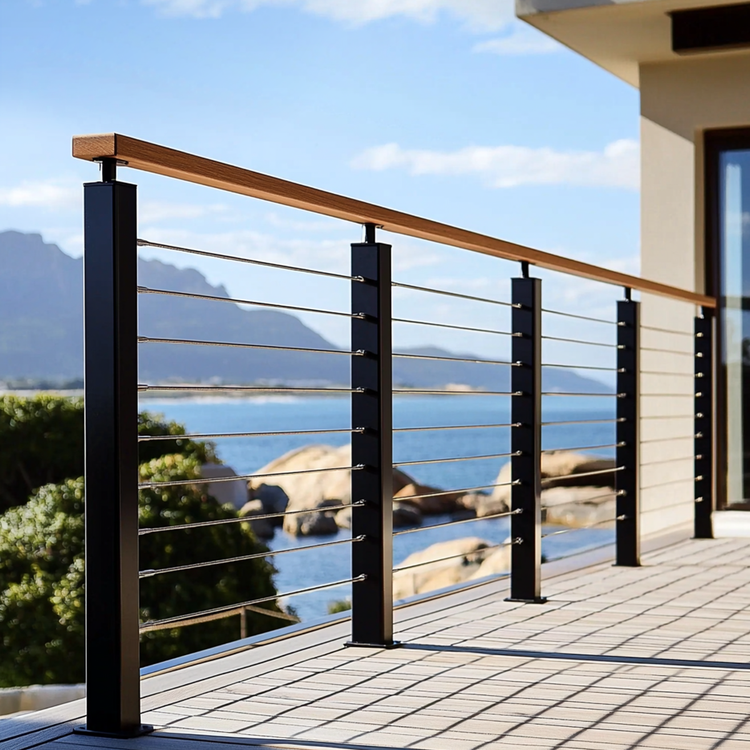
Metal deck railings are gaining popularity due to their durability and modern appeal. Common materials include aluminum, wrought iron, and stainless steel, each offering various benefits. Aluminum railings are lightweight, resistant to corrosion, and require minimal maintenance, making them a practical choice for many homeowners. Wrought iron, on the other hand, provides a classic and elegant look, though it may require periodic painting to prevent rust. Stainless steel is known for its sleek finish and strength, ideal for contemporary designs. A neighbor of mine installed stainless steel railings on his deck, and the result was stunning—clear views and a modern edge that still felt secure. Metal railings, though often more expensive, provide long-lasting benefits and versatile design options.
Composite Deck Railings
Composite deck railings are an innovative blend of wood fibers and plastic, providing the best of both worlds. They offer the look of wood without the high maintenance demands, making them an increasingly popular choice for homeowners. One of the significant advantages of composite materials is their resistance to fading, splintering, and insect damage. They are also available in various colors and styles, allowing for personalized aesthetics. A colleague used composite railings for her deck renovation, and she was thrilled with how easy they were to maintain. Cleaning with soap and water was a breeze compared to her previous wood railings. This type of railing is ideal for those who want a beautiful outdoor space without the hassle of constant upkeep.
Glass Deck Railings
For those seeking a modern and unobstructed view, glass deck railings are an excellent option. They provide a sleek and contemporary look while maintaining safety without compromising views. Glass railings are typically framed with aluminum or stainless steel, adding to their structural integrity. They are also easy to clean, requiring occasional washing to keep them clear and sparkling. A relative of mine chose glass railings for their beach house deck, allowing them to enjoy the breathtaking ocean views without any visual barriers. However, it’s essential to ensure that glass railings are made from tempered safety glass to withstand the elements and provide security.
Choosing the Right Deck Railing Type
Selecting the right deck railing type involves considering various factors. Budget is often a primary concern; while some materials may have a higher upfront cost, their longevity can save money in the long run. Climate also plays a role—certain materials may perform better in specific weather conditions. Additionally, homeowners should think about their design style. Whether you prefer the rustic charm of wood, the sleekness of metal, or the modern appeal of glass, there’s a railing type that can complement your home’s architecture. Lastly, maintenance is a crucial consideration; choosing a material that aligns with your willingness to perform upkeep can impact your satisfaction with the final choice.
Final Thoughts on Deck Railing Options
In summary, the choice of deck railing is pivotal in transforming your outdoor space. Each type of railing offers unique benefits and aesthetic qualities that can enhance both safety and style. Taking the time to consider your options carefully will lead to a choice that not only fulfills your practical needs but also aligns with your design vision. So, whether you lean towards the classic appeal of wood, the durability of metal, or the modern elegance of glass, the right deck railing can truly elevate your outdoor experience.