Transform Your Kitchen: Discover the Secret to Choosing the Perfect Vent Hood!
The kitchen is often considered the heart of the home, a place where culinary creativity comes to life. One of the most crucial elements that can transform this space is the vent hood. A well-chosen vent hood does more than just ventilate; it enhances your cooking experience, improves air quality, and adds a touch of elegance to your kitchen's design. Whether you're a passionate home chef or someone who enjoys occasional cooking, having the right vent hood installation can make all the difference. In this article, we will guide you through the process of selecting the perfect vent hood to meet your needs and explore the installation options available to you.
Understanding Vent Hoods
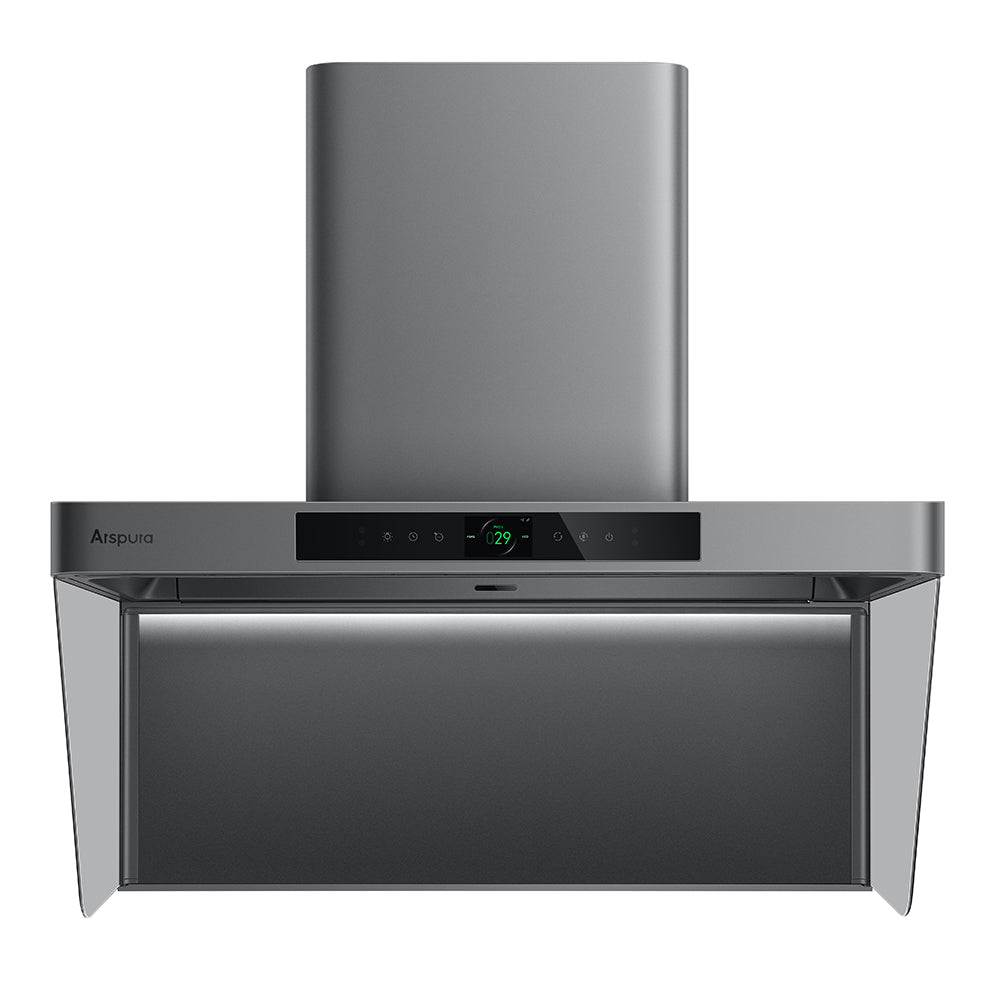
A vent hood, also known as a range hood, is a device installed above your cooking surface to capture smoke, steam, grease, and odors generated during cooking. It plays a vital role in maintaining a clean and healthy kitchen environment. There are several types of vent hoods, including wall-mounted, island, and under-cabinet models, each offering unique advantages. Wall-mounted hoods are perfect for kitchens with a range against a wall, while island hoods are ideal for open-concept spaces with a central cooking island. Under-cabinet hoods save space and seamlessly integrate into cabinetry. Regardless of the type, the primary function of all vent hoods is to improve air quality by effectively removing unwanted pollutants from the kitchen.
Factors to Consider When Choosing a Vent Hood
When selecting a vent hood, several factors come into play. First, consider the size of your kitchen and the layout. A larger kitchen may require a more powerful vent hood, while a compact space can benefit from a smaller, more discreet option. Your cooking style also matters; if you frequently prepare meals that produce a lot of smoke or steam, a hood with higher airflow capacity (measured in CFM) is essential. Additionally, think about your ceiling height, as this will affect the mounting height of the vent hood. Finally, aesthetics should not be overlooked; choose a style and finish that complements your kitchen decor. Balancing these factors will help ensure you make an informed decision that enhances both functionality and design.
Installation Considerations
Installing a vent hood involves several important considerations. First, determine the best location for your hood based on your cooking setup. Next, consider your ducting options: ducted hoods exhaust air outside, while ductless models recirculate filtered air back into the kitchen. The choice between these options will depend on your kitchen's layout and ventilation needs. Additionally, electrical requirements must be assessed to ensure proper installation. While some homeowners might opt for DIY installation, hiring a professional can save time and ensure safety, particularly for ducted systems that require precise measurements and secure connections. Weigh the pros and cons of both approaches to find the best solution for your situation.
Maintenance Tips for Your Vent Hood
To ensure your vent hood operates efficiently and lasts for years, regular maintenance is key. It's recommended to clean the hood at least once a month, depending on usage. Use a mixture of warm water and dish soap to wipe down the exterior and a more robust degreaser for the filters. Speaking of filters, they should be replaced or cleaned regularly, especially in ductless models where they can become saturated with grease and grime. Regular maintenance not only prolongs the life of your vent hood but also ensures it continues to function effectively, keeping your kitchen fresh and inviting.
Key Takeaways for Vent Hood Selection
In conclusion, selecting the right vent hood involves careful consideration of your kitchen's needs and aesthetic preferences. From understanding the different types and functions of vent hoods to evaluating installation options and maintenance requirements, each step is crucial for achieving a functional and stylish kitchen. Don’t hesitate to seek professional assistance if needed, as their expertise can be invaluable in ensuring a successful installation. Take the time to explore your options, and you'll be well on your way to transforming your kitchen into a space that is both beautiful and practical.