

Dive into the Ultimate Guide to Choosing Your Perfect Rain Pants!
When planning outdoor activities, especially in unpredictable weather, having the right gear can make all the difference. Rain pants are an essential piece of equipment for hikers, campers, and anyone who enjoys spending time in nature. They provide protection against the elements, ensuring that you stay dry and comfortable during your adventures. With a plethora of options available on the market, from lightweight models ideal for quick jaunts to insulated versions designed for extreme weather, choosing the right pair of rain pants can be overwhelming. This guide aims to simplify your decision-making process by detailing the various types of rain pants, key considerations to keep in mind, the benefits of investing in quality gear, and maintenance tips to prolong the life of your purchase.
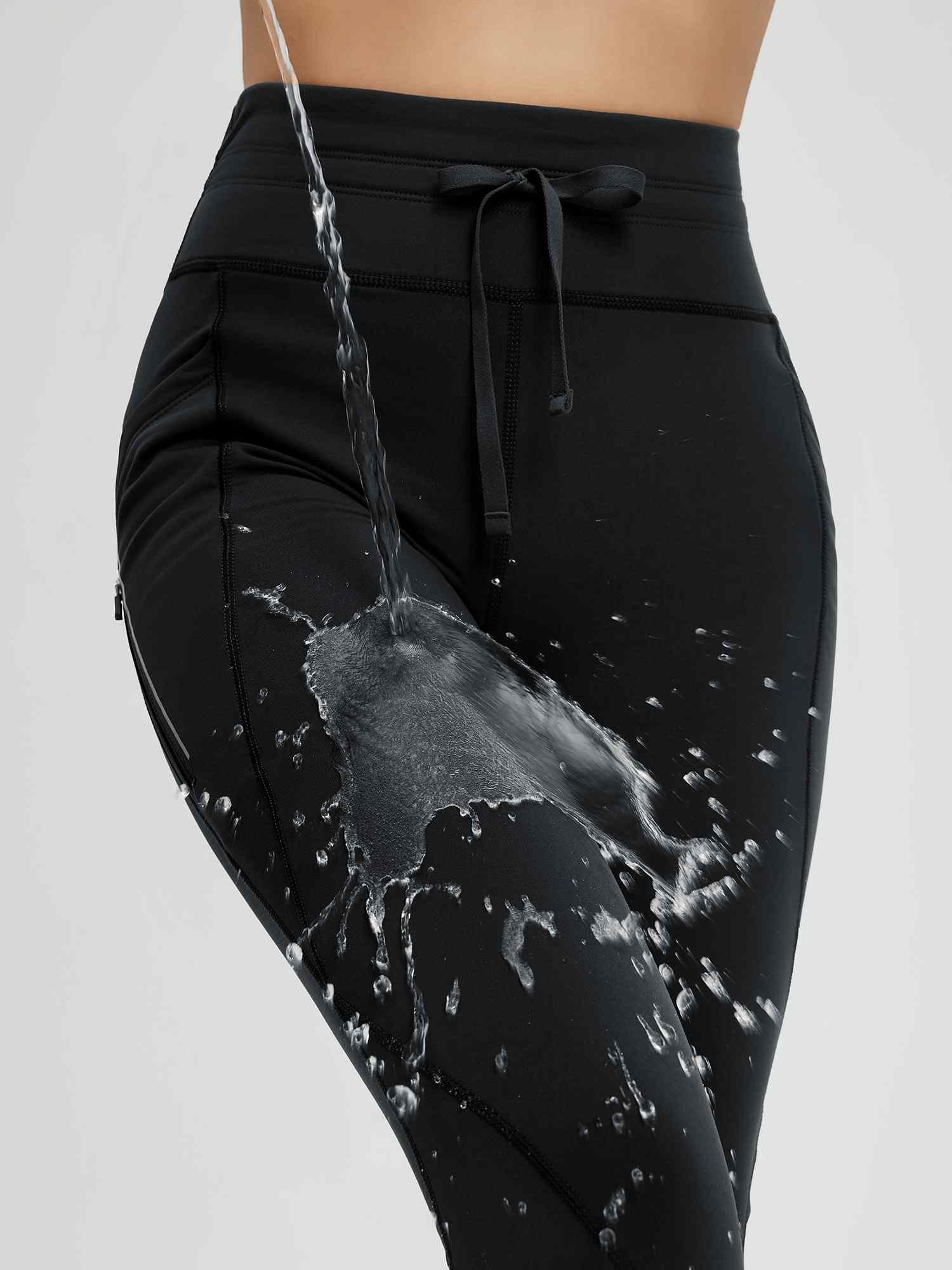
Understanding Rain Pants: Types and Features
Rain pants come in several types, each tailored to specific activities and conditions. Lightweight rain pants are perfect for those who need a packable solution for unexpected showers. These are designed to be thin and easily compressible, making them ideal for backpackers trying to save space. On the other hand, insulated rain pants are suited for colder climates, offering additional warmth while keeping moisture at bay. Full-zip rain pants provide versatility, allowing you to put them on or take them off without removing your boots, which can be particularly useful in changing weather conditions.
In terms of features, waterproof ratings are crucial; they indicate how well the pants can withstand rain. Ratings are often measured in millimeters, with higher numbers indicating better waterproofing. Breathability is another important feature; this determines how well moisture from sweat can escape, which is vital during physical activities. Look for fabrics with advanced technology that offer a balance between waterproofing and breathability. Lastly, packability should not be overlooked—many modern rain pants are designed to fold into a small pouch, making them easy to carry on any outdoor adventure.
Key Considerations When Choosing Rain Pants
When it comes to selecting rain pants, several factors should guide your decision. Fit is paramount; you want a pair that allows for easy movement without being too loose or restrictive. Consider trying on different styles and sizes to find the best fit for your body type and intended use. Additionally, fabric technology plays a significant role in performance. Look for pants made from materials that offer waterproofing, breathability, and flexibility. This is especially important if you plan on using them for activities like hiking or cycling, where comfort and mobility are key.
Moreover, think about your primary use for the rain pants. If you’re looking for something for casual wear, a more stylish option might appeal to you. Alternatively, if you’re an avid hiker, prioritize durability and performance features. Don’t forget to consider the climate and environment where you’ll be using the pants; some materials perform better in specific conditions. Finally, always read reviews or seek recommendations from friends who have experience with different styles to gain insight into what works best in real-world scenarios.
Benefits of Investing in Quality Rain Pants
Investing in high-quality rain pants can elevate your outdoor experience significantly. One of the primary advantages is durability; well-constructed rain pants can withstand rough conditions and resist wear and tear over time. This means fewer replacements and ultimately better value for your money. Additionally, comfort plays a crucial role; quality rain pants often come with features that enhance comfort, such as soft linings, adjustable waistbands, and articulated knees, allowing for a full range of motion.
Performance in various weather conditions is another compelling reason to choose quality over budget options. High-end rain pants will typically perform better in heavy downpours and provide superior breathability, keeping you dry from both rain and sweat. They may also include features like reinforced seams and waterproof zippers, which can make a significant difference during long hikes or unexpected storms. In essence, the right pair of rain pants can transform a potentially miserable experience into an enjoyable outdoor adventure.
How to Care for Your Rain Pants
To ensure your rain pants last as long as possible, proper care and maintenance are essential. Start by following the washing instructions provided by the manufacturer, as different fabrics may require specific treatment. Typically, it’s best to wash rain pants in cold water and avoid fabric softeners, which can affect their waterproofing capabilities. After washing, air-drying is usually recommended, as high heat can damage the fabric.
Additionally, regular maintenance can extend the lifespan of your pants. Store them in a cool, dry place away from direct sunlight to prevent degradation of the material. It's also wise to reapply a waterproofing treatment every so often, especially if you notice a decrease in performance during rainy outings. By taking these simple steps, you can ensure that your rain pants remain functional and reliable for many adventures to come.
Final Thoughts on Selecting Rain Pants
Choosing the right rain pants is an important decision for anyone who enjoys outdoor activities. By understanding the types and features available, considering key factors tailored to your needs, and recognizing the benefits of investing in quality, you can make an informed choice. Remember to also maintain your rain pants properly to maximize their longevity. With the right pair of rain pants, you’ll be well-equipped to face the elements and enhance your outdoor experiences, no matter the weather.