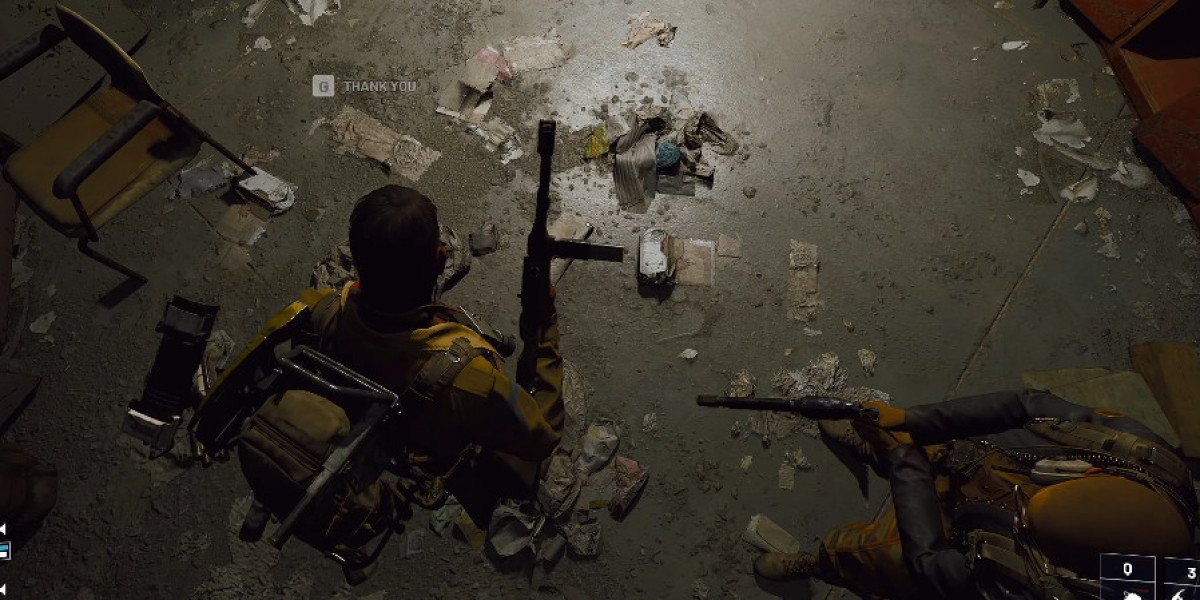

How Does Weather Affect Combat?
The most obvious impact of weather in Arc Raiders is visibility. Rain, fog, and storms can reduce the distance you can see enemies, projectiles, or environmental hazards. This doesn’t just affect your aim; it also changes how you plan movement and when you decide to engage or retreat.
For example, heavy rain tends to blur long-range sightlines. Players often notice that sniper rifles and other precision weapons feel less reliable during storms. On the other hand, fog can completely hide enemy patrols, giving skilled players opportunities to flank or avoid fights entirely. Experienced players will often adjust their engagement range based on the current weather.
Another practical effect is audio cues. Thunderstorms or strong winds can mask sounds like enemy footsteps or drone movements. Players who rely heavily on audio for tracking enemies may need to switch to visual scouting during these conditions.
Can Weather Affect Your Movement or Abilities?
Yes. Certain weather conditions can interact with your movement abilities. For example, slippery surfaces during rain may make precision jumps or quick dodges less reliable. Some dynamic storms also generate environmental hazards such as electrical discharges, which can temporarily stun or damage you if you’re not careful.
Players often respond by slowing down their movement slightly or sticking to safer pathways during extreme weather. This might seem counterintuitive for a game that encourages fast movement, but the trade-off is usually worth it: fewer accidental falls, missed jumps, or unnecessary damage.
Abilities can also behave differently. For instance, area-of-effect skills like plasma grenades may have their visual cues obscured by fog or heavy rain. Experienced players recommend visually confirming your target area before using these skills, rather than relying solely on targeting reticles.
How Do You Plan Around Weather in Missions?
Planning is key. Arc Raiders’ weather is mostly predictable once you understand the patterns in each mission area. For example, desert zones tend to have sudden sandstorms, while coastal regions may have heavy rainstorms or fog banks. Watching environmental cues—like darkening skies or increasing wind—can give you a few seconds to adjust your tactics.
Many players make it a habit to check the map or mission briefing for any weather alerts. If you know a storm is coming, it might be wise to reposition to high ground, secure cover, or wait for the storm to pass before engaging a tough enemy.
Another practical tip is to adapt your loadout based on expected weather. Weapons with faster handling and higher close-range damage often perform better during storms that reduce visibility. Some players also choose gear that improves mobility, as unpredictable surfaces or environmental hazards can slow down heavier builds.
Should You Change Your Team Strategy During Bad Weather?
Absolutely. Weather doesn’t just affect individual players—it affects team dynamics. In Arc Raiders, sticking together is generally safe, but heavy storms or fog can make it harder to see teammates. This increases the risk of friendly fire or missing key support actions.
Experienced squads often adopt tighter formations during storms and assign one player to focus on navigation while others concentrate on combat. Communication becomes even more critical: call out enemy positions, hazards, and retreat paths clearly.
Some teams also rotate roles depending on weather. For example, a scout who is good at spotting enemies in clear weather may switch to supporting fire or cover duties during heavy fog, letting another teammate take over scouting.
How Can You Use Weather to Your Advantage?
While weather can be a hindrance, it can also be an asset if used strategically. Many players take advantage of low-visibility conditions to flank enemies or avoid patrols entirely. Electrical storms can damage enemy drones or environmental tech, so leading enemies into those areas can be an effective tactic.
Cover and terrain become more important during storms. Players who understand how shadows, building outlines, or natural obstacles are affected by weather can hide more effectively or control engagement zones.
If you’re planning a long-term strategy, consider stockpiling resources when the weather is favorable and only moving into risky areas when conditions obscure enemy sightlines. This kind of planning often separates casual players from those who consistently clear high-level missions efficiently.
Is There Any Way to Mitigate Negative Weather Effects?
Direct mitigation is limited—Arc Raiders is designed so weather feels like a natural challenge rather than a gimmick—but you can reduce its impact by adapting your play style. Key methods include:
Mobility adjustments: Move more cautiously over slippery or unstable surfaces.
Loadout tweaks: Use weapons and abilities that remain effective in low visibility.
Team coordination: Assign roles to account for limited sight or audio cues.
Environmental awareness: Learn where storms tend to strike and position yourself in safer areas.
Some players even combine these tactics with in-game economy strategies, such as prioritizing upgrades or crafting during calm weather to avoid being forced into combat during harsh conditions. If you’re looking for a way to improve your overall performance and reduce weather-related mistakes, it’s also smart to buy high-quality arc raiders blueprints at great prices. Upgraded gear often makes your characters more resilient and versatile under challenging conditions.
What Are the Most Common Mistakes New Players Make?
Ignoring weather cues: Rushing into combat without checking the environment is a common cause of failure.
Over-relying on audio: Assuming footsteps or gunfire will always be audible in storms often leads to ambushes.
Static loadouts: Using the same weapons and abilities regardless of weather reduces flexibility.
Poor positioning: Standing in open areas during storms or fog can leave you vulnerable to hidden enemies.
Learning from these mistakes is usually a matter of observation and adaptation. Watch how other players handle dynamic weather, and adjust your approach incrementally rather than trying to master everything at once.
Dynamic weather in Arc Raiders adds a layer of strategy that goes beyond simple combat mechanics. Understanding how weather affects visibility, movement, abilities, and team coordination can dramatically improve your mission success rate. The key is not to fight the weather but to adapt to it.
With careful observation, planning, and tactical adjustments, you can turn what seems like a disadvantage into an opportunity. Over time, you’ll notice that storms, fog, and other weather effects become predictable elements you can exploit rather than obstacles you fear.
By combining adaptive strategies with upgraded gear—especially if you take the time to buy high-quality arc raiders blueprints at great prices—you’ll be well-positioned to handle any mission, no matter what the weather throws at you.