Unlock the Secrets to Finding the Perfect Acoustic Ceiling Tiles Without Breaking the Bank!
Acoustic perforated ceiling tiles are an essential component in the quest for optimal sound management in various environments, from bustling offices to serene home theaters. As more people recognize the importance of acoustics in enhancing comfort and productivity, the demand for these specialized tiles has surged. However, finding the right tiles that fit both your acoustic needs and your budget can often feel like searching for a needle in a haystack. In my own experience, I’ve faced the challenge of navigating a sea of options, only to feel overwhelmed by the price tags associated with quality products. This article aims to shed light on how to find affordable suppliers and manufacturers of acoustic perforated ceiling tiles, ensuring you make an informed decision without compromising on quality.
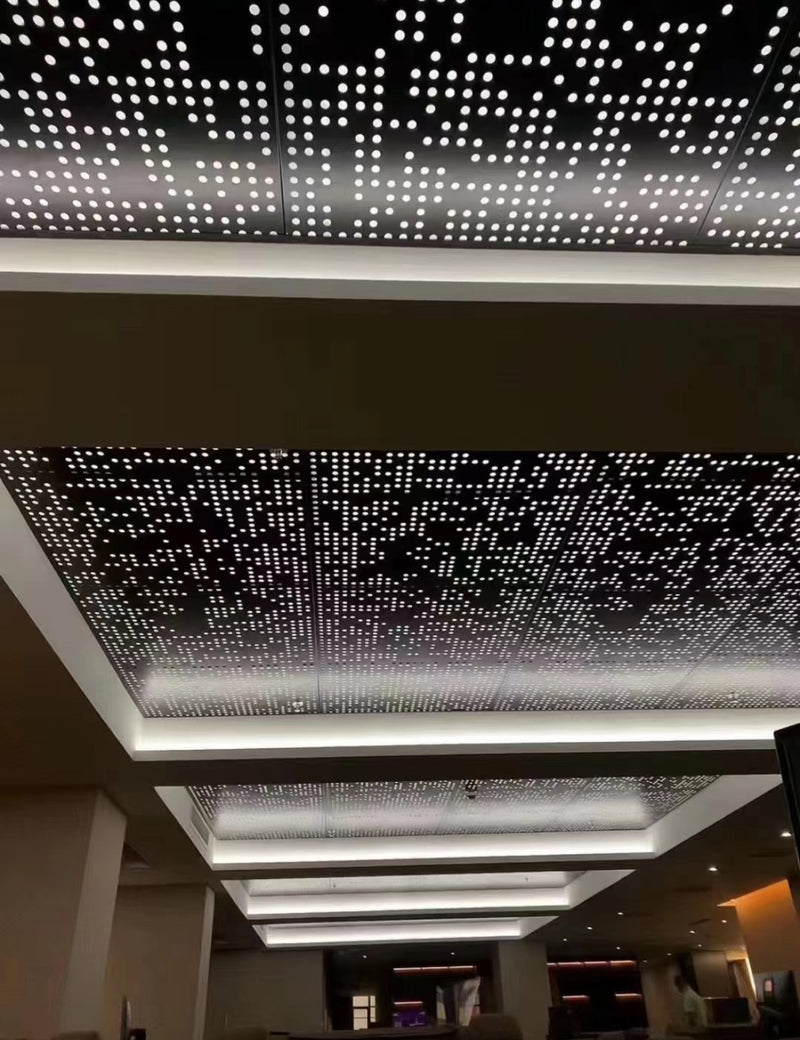
Understanding Acoustic Perforated Ceiling Tiles
Acoustic perforated ceiling tiles are designed to absorb sound and reduce noise levels in spaces where acoustics play a crucial role. These tiles typically feature a series of small holes or perforations that allow sound waves to enter and be absorbed by the material behind them, minimizing echoes and creating a more pleasant auditory environment. Common materials used in these tiles include mineral fiber, fiberglass, and wood, each offering unique acoustic properties and aesthetic qualities. For instance, mineral fiber tiles are known for their excellent sound absorption capabilities, while wood tiles can add a touch of elegance to any space. Understanding these distinctions is vital for anyone looking to enhance their environment with acoustic ceiling tiles.
Factors to Consider When Choosing Acoustic Ceiling Tiles
When selecting acoustic ceiling tiles, several key factors should influence your decision. First and foremost is the sound absorption coefficient, which measures how effectively a material can absorb sound. Tiles with higher coefficients are generally more effective in controlling noise. Additionally, aesthetic appeal should not be overlooked; your tiles should complement the overall design of your space. Durability is another critical aspect; you’ll want tiles that can withstand wear and tear over time, especially in high-traffic areas. Finally, consider the installation requirements; some tiles may need professional installation, while others can be easily mounted by DIY enthusiasts. By weighing these factors carefully, you can ensure that your choice meets both your acoustic needs and practical considerations.
Where to Find Affordable Suppliers and Manufacturers
Finding affordable suppliers and manufacturers of acoustic perforated ceiling tiles can be a daunting task, but there are several effective strategies to simplify the process. Begin by conducting online research, exploring industry-specific websites and platforms that list various manufacturers. Social media and forums can also be valuable resources for recommendations and reviews. Another great approach is to attend trade shows, where you can meet suppliers face-to-face, see products firsthand, and even negotiate prices. Networking within industry groups can also lead to valuable connections and tips on sourcing quality materials. Don’t hesitate to reach out to local contractors or builders who often have preferred suppliers and can offer insights based on their experiences.
Comparing Products and Prices
Once you’ve identified potential suppliers, the next step is to compare products and prices to ensure you’re getting the best value for your investment. Look closely at product specifications, including sound absorption ratings, material types, and warranty offerings. It’s also wise to assess the quality of materials; not all tiles are created equal, and cheaper options may compromise performance. Consider obtaining samples to evaluate the look and feel of the tiles before making a bulk purchase. Additionally, don’t shy away from asking suppliers about bulk discounts or seasonal promotions. By methodically comparing your options, you can make a well-informed decision that balances quality with affordability.
Making an Informed Choice on Acoustic Ceiling Tiles
In summary, selecting the right acoustic perforated ceiling tiles involves a careful consideration of various factors, from sound absorption capabilities to aesthetic appeal and durability. By leveraging the tips outlined in this article, you can navigate the landscape of suppliers and manufacturers with confidence, ensuring that you find quality products that align with your budget. Remember, sound management is an essential aspect of creating comfortable and functional spaces, and with the right tools and knowledge, you can enhance your environment without overspending. Take action today, explore your options, and unlock the potential of acoustic ceiling tiles in your home or office!