Unlock the Secrets of Transistors: The Key to Mastering Automation!
Transistors are the unsung heroes of modern technology, quietly powering everything from your smartphone to sophisticated automation systems. These tiny components are essential for amplifying electronic signals and acting as switches in circuits, making them a cornerstone of electronic design. In this article, we will delve into the fascinating world of transistors, exploring their various types, how they work, and their critical applications in automation. Whether you're a budding engineer, a tech enthusiast, or simply curious about the technology that surrounds us, understanding transistors is key to grasping the intricacies of modern electronics.
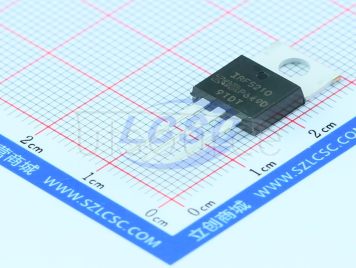
Understanding Transistors
At their core, transistors are semiconductor devices that can both amplify and switch electronic signals. They are made from materials such as silicon or germanium that have been treated to create regions of positive and negative charge carriers. This unique property allows transistors to either increase the strength of a signal (amplification) or act as a gate to control current flow (switching). The invention of the transistor in the 1940s marked a significant leap in technology, replacing vacuum tubes and leading to the miniaturization of electronic components. Today, transistors are found in virtually every electronic device, playing a pivotal role in signal processing and control systems.
Types of Transistors
Transistors come in various types, each with its characteristics and applications. The most common types are Bipolar Junction Transistors (BJTs) and Field-Effect Transistors (FETs). BJTs are current-controlled devices that rely on the flow of charge carriers, while FETs are voltage-controlled and operate based on an electric field. Understanding the differences between these types is crucial for selecting the appropriate transistor for specific applications, as each type offers distinct advantages in terms of performance and efficiency.
Bipolar Junction Transistors (BJTs)
Bipolar Junction Transistors (BJTs) consist of three layers of semiconductor material, forming two pn junctions. They are classified into two types: NPN and PNP, based on the arrangement of the n-type and p-type materials. When a small current flows into the base terminal of an NPN transistor, it allows a larger current to flow from the collector to the emitter, effectively amplifying the signal. BJTs are widely used in audio amplifiers, radio frequency applications, and various switching applications due to their high gain and fast switching speeds.
Field-Effect Transistors (FETs)
Field-Effect Transistors (FETs), on the other hand, utilize an electric field to control the flow of current. Among the various types of FETs, Metal-Oxide-Semiconductor FETs (MOSFETs) are particularly notable for their high efficiency and low power consumption, making them a staple in integrated circuits and digital logic applications. Junction FETs (JFETs) are another variant that operates similarly but is less common in modern applications. FETs are favored for their high input impedance and faster switching capabilities, making them ideal for applications in digital electronics and signal processing.
How Transistors Work
The functionality of transistors can be attributed to their ability to control current flow through a semiconductor material. In BJTs, a small input current at the base terminal allows a much larger current to flow from the collector to the emitter. This relationship is known as current amplification. In FETs, the voltage applied to the gate creates an electric field that modifies the conductivity of the channel between the source and drain terminals, effectively controlling the current flow. This ability to modulate current with minimal input makes transistors invaluable in amplifying signals and switching applications, which are fundamental in both analog and digital circuits.
Applications of Transistors in Automation
Transistors play a crucial role in automation technologies, facilitating the control of various systems and devices. In robotics, transistors are used in microcontrollers to process inputs from sensors and execute commands, enabling precise movement and operation. In industrial automation, they are integral to control systems that manage machinery and processes, ensuring efficient and reliable operation. Additionally, transistors are vital in smart devices, where they enable features such as touch sensitivity, voice recognition, and real-time data processing. As automation continues to evolve, the role of transistors will only become more significant, driving advancements in technology.
Recap of Transistor Significance
In summary, transistors are fundamental components that underpin modern electronics and automation. Understanding their types, workings, and applications is essential for anyone looking to master the field of technology. As we continue to innovate and develop new automation solutions, transistors will remain at the forefront, enabling the next generation of devices and systems. By unlocking the secrets of transistors, we open the door to a deeper understanding of the technology that shapes our world.